
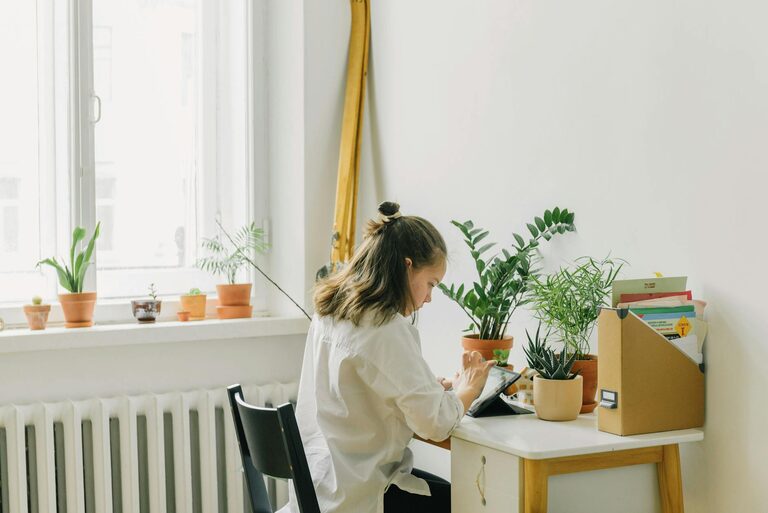
Creating a relaxing and functional home workspace is essential for anyone looking to improve productivity and maintain well-being while working from home. A thoughtfully designed environment can help reduce stress, boost focus, and create a positive mindset throughout the workday. In this post, we’ll explore practical tips to help you set up a comfortable and inspiring workspace that balances productivity and relaxation.
Why a Relaxing Workspace Matters
When your work area feels calm and inviting, your mind is better equipped to concentrate and manage tasks effectively. Stressful or cluttered environments can lead to distractions, fatigue, and decreased motivation, impacting the quality of your work and your mood. On the other hand, a well-arranged, peaceful space encourages productivity and helps maintain mental and physical health.
Choose the Right Location
Selecting the perfect spot for your home office is the first step. Ideally, this should be a quiet area with minimal foot traffic to avoid interruptions.
– Natural Light: Position your desk near a window to benefit from natural sunlight, which can improve alertness and mood.
– Away from Distractions: Avoid areas near televisions or noisy household spaces.
– Defined Space: Even in small homes, try to carve out a dedicated corner or room that separates work from leisure.
Invest in Comfortable Furniture
Your furniture plays a significant role in your comfort and productivity.
– Ergonomic Chair: A chair that supports good posture reduces back pain and fatigue.
– Adjustable Desk: Consider a desk that allows changing between sitting and standing to promote movement.
– Adequate Desk Space: Ensure your desk is large enough to accommodate your devices and materials without feeling cramped.
Organize and Declutter
A tidy workspace prevents distractions and saves time searching for essentials.
– Storage Solutions: Use shelves, drawers, and organizers to keep supplies neatly arranged.
– Daily Clean Up: Spend a few minutes each day clearing your desk.
– Cable Management: Use clips or sleeves to keep cords organized and out of the way.
Personalize Your Space
Adding personal touches can make your workspace more inviting and inspiring.
– Plants: Indoor plants improve air quality and add a touch of nature.
– Artwork or Photos: Display images that motivate or soothe you.
– Colors: Choose calming colors like soft blues, greens, or pastels for your surroundings.
Control Lighting and Noise
Proper lighting and sound control can enhance focus and comfort.
– Task Lighting: Use adjustable desk lamps to reduce eye strain.
– Soft Ambient Light: Incorporate lamps or light strips to create a warm atmosphere.
– Noise Management: Use noise-canceling headphones or white noise machines to block distractions when necessary.
Maintain Good Air Quality and Temperature
Comfort isn’t just about furniture—it also includes the environment.
– Ventilation: Keep windows open when possible to circulate fresh air.
– Air Purifiers: Consider using an air purifier if air quality is poor.
– Temperature: Keep your workspace at a comfortable temperature, neither too hot nor too cold, to maintain focus.
Incorporate Movement and Break Spots
Long hours at the desk can be draining. Introducing movement helps refresh your body and mind.
– Stretch Breaks: Set reminders to stand up and stretch every hour.
– Break Area: If possible, create a small area separate from your desk for breaks, reading, or light exercise.
Use Technology Wisely
Technology can support or disrupt your workflow depending on how you manage it.
– Useful Tools: Use productivity apps and calendars to stay organized.
– Limit Notifications: Silence non-urgent alerts during work periods.
– Ergonomic Accessories: Invest in an external keyboard, mouse, and monitor positioned at eye level to avoid strain.
Practice Mindful Habits
Finally, the way you approach your work can enhance the relaxing quality of your space.
– Establish Routines: Consistent start and end times signal your brain when to work and when to relax.
– Mindfulness Techniques: Incorporate brief meditation or breathing exercises during breaks.
– Set Boundaries: Communicate your workspace rules with household members to minimize interruptions.
—
Creating a relaxing home workspace is about blending comfort, organization, and inspiration to support your best work and well-being. By taking the time to design your environment thoughtfully, you set the stage for more productive days and a healthier work-life balance right at home.