
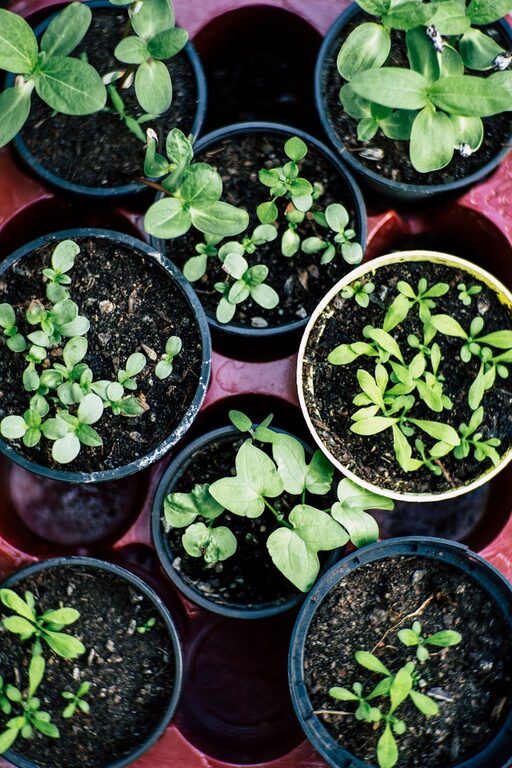
Creating a beautiful and engaging home garden can be one of the most rewarding experiences for beginners and seasoned gardeners alike. Whether you have a large backyard or just a small balcony, a well-planned garden can bring joy, fresh air, and a connection with nature. This guide offers practical tips to help beginners design and maintain a thriving home garden.
Why Start a Home Garden?
Gardening has many benefits. It enhances your outdoor space, provides a relaxing hobby, encourages physical activity, and can even improve your home’s ambiance. Growing your own flowers, herbs, or vegetables is a satisfying way to enjoy nature and learn new skills.
Planning Your Garden
Choose the Right Location
Start by selecting a spot that receives adequate sunlight. Most flowering plants and vegetables need at least 6 hours of direct sunlight each day. If you have limited space, don’t worry — many plants can thrive in containers or small raised beds.
Assess Soil Quality
Good soil is the foundation of a healthy garden. Test the soil for texture and nutrients if possible. Most plants prefer well-draining, fertile soil. You can improve soil by mixing in organic compost or garden soil amendments.
Decide on Garden Style
Do you want a colorful flower garden, a vegetable plot, or a mix? Consider your climate, time available, and preferences. Beginners might start with hardy, low-maintenance plants to build confidence.
Selecting Plants for Beginners
Easy-to-Grow Flowers
– Marigolds
– Sunflowers
– Zinnias
– Pansies
– Lavender
These flowers are forgiving and bloom throughout the season, adding vibrant color.
Beginner-Friendly Vegetables and Herbs
– Lettuce
– Tomatoes (cherry varieties)
– Basil
– Mint
– Radishes
These plants grow quickly and require minimal care, ideal for first-time gardeners.
Essential Gardening Tools
Having the right tools makes the gardening process smoother and more enjoyable. Basic tools include:
– Garden gloves
– Hand trowel
– Watering can or hose
– Pruning shears
– Garden fork or spade
Keep your tools clean and store them in a dry place to extend their life.
Starting Your Garden: Step-by-Step
1. Prepare the Soil
Clear the area of weeds and debris. Loosen the soil using a garden fork or spade, then mix in compost or organic matter to enrich the soil.
2. Plan Your Planting Layout
Space plants based on their size and growth habits. For example, place taller plants at the back of flower beds to avoid shading shorter plants.
3. Planting
Follow specific instructions for each plant about depth and spacing. Water gently after planting to help plants settle in.
4. Mulching
Apply a layer of mulch (such as bark chips or straw) around your plants. Mulching helps retain moisture, suppress weeds, and regulate soil temperature.
Watering Tips
Watering is crucial, but overwatering can harm plants. Most gardens thrive with 1 inch of water per week. Water early in the morning or late in the afternoon to reduce evaporation. Use a watering can or gentle hose spray to avoid damaging plants.
Maintaining Your Garden
Regular Weeding
Keep your garden beds free of weeds, which compete for nutrients and water. Pull weeds by hand or use a hoe for larger areas.
Pest Control
Monitor your plants regularly for pests. Introduce beneficial insects like ladybugs or use natural remedies like neem oil for pest management. Avoid harsh chemicals to keep your garden eco-friendly.
Pruning and Deadheading
Remove dead or faded flowers (deadheading) to encourage more blooms. Prune shrubs and vegetables to maintain shape and health.
Enjoying Your Garden
Spend time in your garden daily, even if only for a few minutes. Observe changes, take notes, and celebrate small victories such as new leaves, flowers, or harvests. Gardening is a learning process—each season will bring new insights and pleasures.
Conclusion
Starting a home garden as a beginner is easier than many think. With proper planning, the right plants, and consistent care, you can create an engaging outdoor space that adds beauty and tranquility to your home. Embrace the process, be patient, and let your garden grow along with your gardening skills. Happy gardening!